
Disability access audits for dental practices
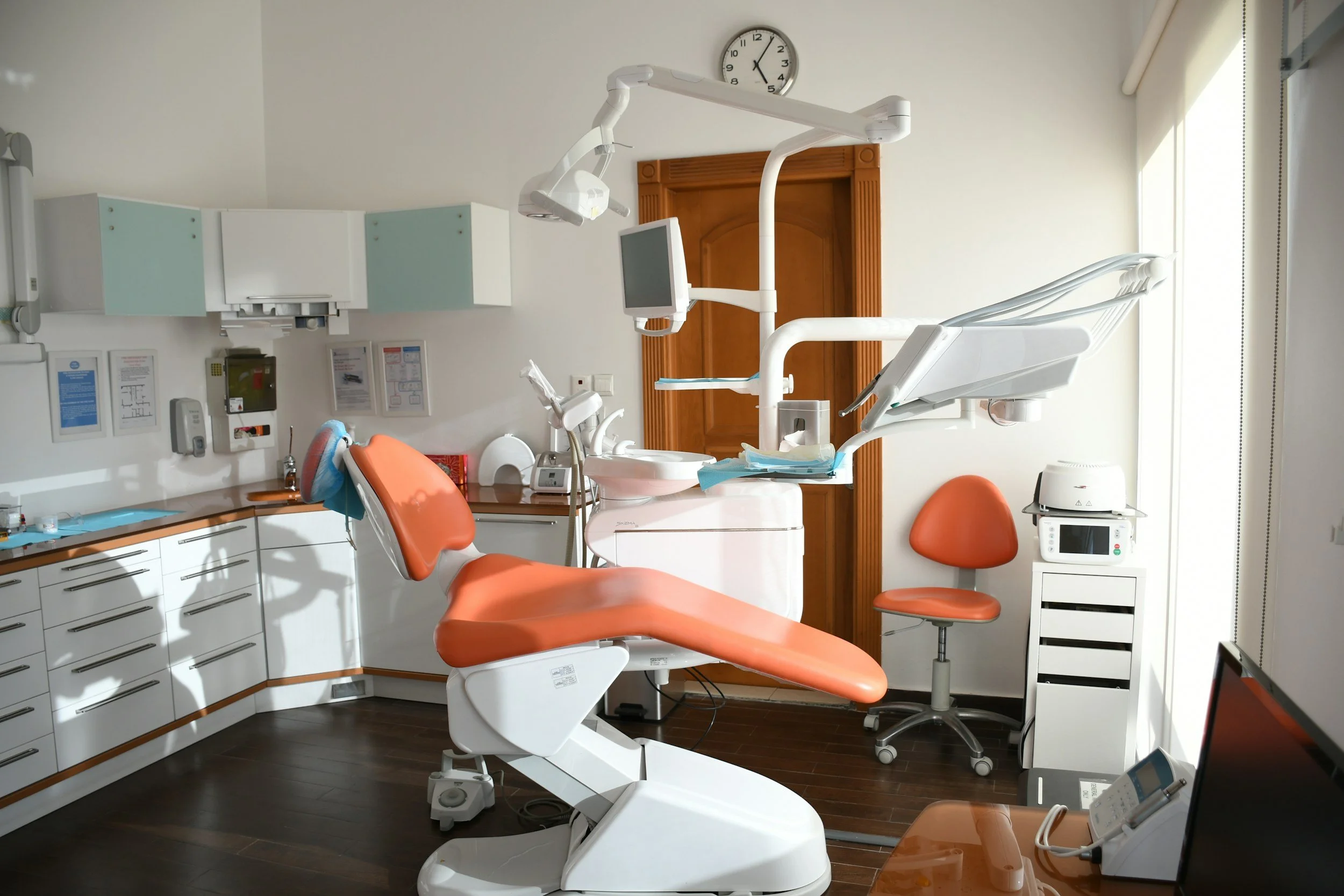
Dental practices usually get in touch about access for one of two reasons. Either a patient has raised something, or the practice is being refurbished and the owner would rather get it right while the builders are already in. Occasionally it is blunter than that: someone could not get through the front door.
What the Equality Act asks of a dental practice
The Equality Act 2010 replaced the Disability Discrimination Act in England, Scotland and Wales, and it asks service providers to make reasonable adjustments for disabled people.
The part that catches practices out is that the duty is anticipatory. You are expected to think about what a disabled patient will need before one arrives and asks, rather than reacting once someone has had a problem. A practice that has never had a complaint is not necessarily a practice that is meeting the duty. It may be a practice that disabled patients have quietly stopped trying to use.
What counts as reasonable depends on the size of the practice, what it can afford and what the building allows. A surgery in a converted Victorian terrace is not held to the same standard as a purpose-built unit with its own car park. Working out what is reasonable for your building and your budget is what a disability access audit for dental practices is for.
What the audit looks at
The audit follows the route a patient takes, from the pavement to the chair and back out again. Because our access audit work is informed by Occupational Therapy, we look beyond measurements and physical features. We consider how someone actually uses the practice: approaching the building, communicating with staff, moving through it, transferring to the dental chair and accessing the facilities they need.
Getting there and getting in. Parking, the approach, dropped kerbs, thresholds and steps. How wide the door is, how heavy it is to pull, and whether a bell or intercom can be reached from a seated position and heard by someone who is not looking at it.
Reception. Counter height for a patient who is seated. Somewhere to wait with room for a wheelchair that does not block the route to the door. Whether a patient who is deaf or hard of hearing can follow what is being asked at the desk, at exactly the moment they are being asked about their health in front of a room of other people.
Getting to the surgery. Plenty of practices occupy the upper floors of converted buildings, and this is where the real problem usually sits. Stairs, handrails, lifts, corridor widths and the way doors swing.
The surgery itself. Space alongside the chair, and how a patient transfers to it from a wheelchair.
Toilets. Whether there is an accessible one, whether it is genuinely usable, and whether it has quietly become the place the spare stock is kept. That last one comes up more than any other single finding.
Communication. Forms, appointment reminders and how treatment gets explained. This matters for patients with a learning disability or dementia, and for anyone whose anxiety already makes a dental appointment hard to face.
Booking. For a growing number of patients the first barrier is the website or the phone system rather than the building.
What you get at the end
A written report setting out what was looked at, what was found and what we recommend, ordered so you can see what to deal with now and what can wait until the next refit. We take the size and budget of the practice into account, so the recommendations are ones you can actually act on. More of them cost nothing than people expect: moving a chair, changing where a form gets filled in, or showing reception staff how to offer help without making it awkward. The same approach applies across our access audit service for other kinds of business.
Arranging an audit
Tell us where the practice is, roughly how big it is and what has prompted the question, and we will explain what the audit would involve, what it costs and how soon we could get to you. Get in touch and we will take it from there.